


Today’s newsletter includes an interview Q&A brought to you by… GDS Platforms

GDS Platforms is a Dallas-based international brand partner focused on introducing and growing international food, beverage, supplement, and CPG brands in the United States market. They specialize in representing global brands, ensuring they resonate with American consumers and thrive in this diverse marketplace.
The interview Q&A provides a founder’s viewpoint on critical business, strategy, and career decisions based on his experience as a lawyer and now as an e-commerce business owner. Key points discussed today include:
Key areas of value creation relative to the competitive landscape
Identifying and addressing market opportunities as they arise
In-depth analysis of the e-commerce industry with a focus on the distribution and marketing of international businesses
👋 Hello friends,
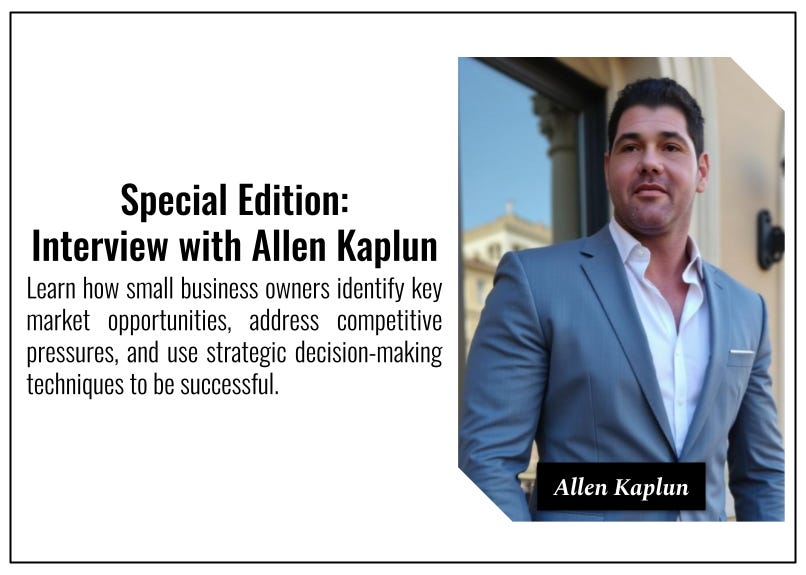
Thank you for joining this week's edition of Brainwaves. I'm Drew Jackson, and today I’m bringing you insights from an interview I had with Allen Kaplun, founder and owner of GDS Platforms.
Before we begin: Brainwaves arrives in your inbox every other Wednesday, exploring venture capital, economics, space, energy, intellectual property, philosophy, and beyond. I write as a curious explorer rather than an expert, and I value your insights and perspectives on each subject.
Time to Read: 20 minutes.
Let’s dive in!
Q: Can you give me a brief explanation of your background?
Allen’s background is in law—specifically in commercial litigation. After graduating from Southwestern Law School, Allen founded Kaplun and Associates, a New York-based law practice focusing on reimbursement for no-fault/PIP claims for medical service providers, commercial litigation, and real estate transactions.
As Allen explains it, his law practice demanded around 60 to 80 hours a week, full of monotonous work. “I would hop on the bus, go into the city, go to court, come back, rinse, repeat.”
During this period (early 2000s to early 2010s), there was a huge gap between the businesses with a huge online presence and those without any presence. Many businesses hadn’t tried to boost their profile online, so they were losing market share to those who did.
When Allen recognized this, and given he wasn’t very keen on his law practice responsibilities, he decided to begin a small e-commerce side hustle. “I started my e-commerce business out of my apartment as a side hustle, fulfilling orders after hours. As it gained traction, I moved operations into the back office of my law firm.”
His side hustle was now a full-fledged business. It was generating a lot of cash flow and was growing exponentially overnight.
Allen now had to make a hard decision: What should he do with his law practice?
It took around a year to wind the practice down, but eventually, Allen was fully committed to e-commerce. As he puts it, “Law is great and everything… well, maybe not that great… but the e-commerce business was so much more exciting. Absolutely more exciting.”
GDS arose from Allen’s desire to bring over brands from abroad into the United States and build out their distribution domestically. Given his current e-commerce practice, he felt he had the infrastructure and operations in place to facilitate these transitions.
GDS partners with international food, beverage, and CPG brands as their exclusive United States distributor, wholly navigating how to bring their brand into the U.S. market, with a focus on building recurring revenue through subscription-based e-commerce and scaling distribution across retail and direct-to-consumer channels.
An example of a brand GDS is currently bringing into the United States is below:
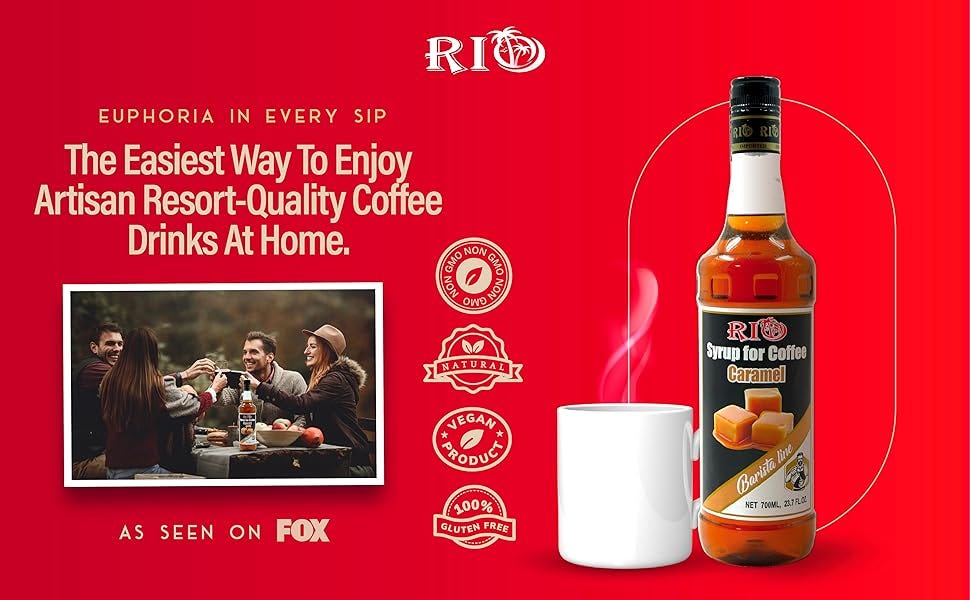
GDS secures exclusive rights to established brands, prepares them for U.S. compliance (usually with the FDA), and creates strategies to prioritize sustainable growth. Once the products are compliant, GDS begins to market the brand in the U.S., starting with e-commerce and influencer campaigns. These brands aren’t used to driving consumer demand as aggressively as needed in the United States, so these local and e-commerce marketing efforts are invaluable.
One of the reasons Allen chose to partner with already established businesses is that he didn’t want to be chasing trends in the market. By the time you are producing products to fit the trend, the trend might be over, and you’re stuck with the inventory. Instead, he chose to partner with established brands to piggyback off of their brand, a strategy with less downside risk.
Bringing us into the present, like other e-commerce-based businesses, GDS flourished during the pandemic as a flood of new sales came in. Their exposure to many brands increased as there was so much demand for everything—people were stuck at home, and the domestic supply was short. GDS has continued to grow since.
Q: What are the different platforms included under the GDS Platforms umbrella?
GDS Platforms operates as a full-service accelerator for international food and beverage brands expanding into the U.S. market. Our platform includes:
GDS Marketing – overseeing digital strategy, paid media, influencer campaigns, brand storytelling, and social media
GDS Fulfillment – managing inventory, preparation, and nationwide distribution from their warehouses in Pennsylvania and Los Angeles
Compliance & Market Entry – handling FDA regulations, product labeling, and retail readiness
Retail Development – securing placements with independent stores, regional chains, and national buyers while supporting launches with geo-targeted campaigns and in-person trade show outreach
They do test products on Amazon and Shopify to gather data, with their core focus on retail visibility and long-term brand growth in the U.S.
Q: Back when you were thinking about starting the e-commerce side hustle, many other things were growing during that time that would also eventually turn into massive opportunities. Why did e-commerce strike you as the opportunity to pursue?
It wasn’t a sudden lightbulb moment. Allen had been selling on eBay since college (he sold cameras), so he was already familiar with e-commerce. But after the financial crisis, he saw just how much money was being made through online channels—especially with Google AdWords fueling massive growth.
The trajectory of e-commerce at that time was clearly exponential. As Jeff Bezos noted, people struggle to understand exponential growth—it’s difficult to project, but once you see the pattern, you know it’s the future.
The question Allen had to answer wasn’t “Is this a good idea?” Instead, it was, “How do I fit into all of this?” How will he manage inventory risk? How will he make this sustainable? So he started testing general merchandise category by category. Over the years, that evolved into a business with multiple warehouses, exclusive distribution deals, and retail placement across the country.
Q: How do you drive the top side of the funnel? Specifically, how do you connect with international brands to partner with GDS?
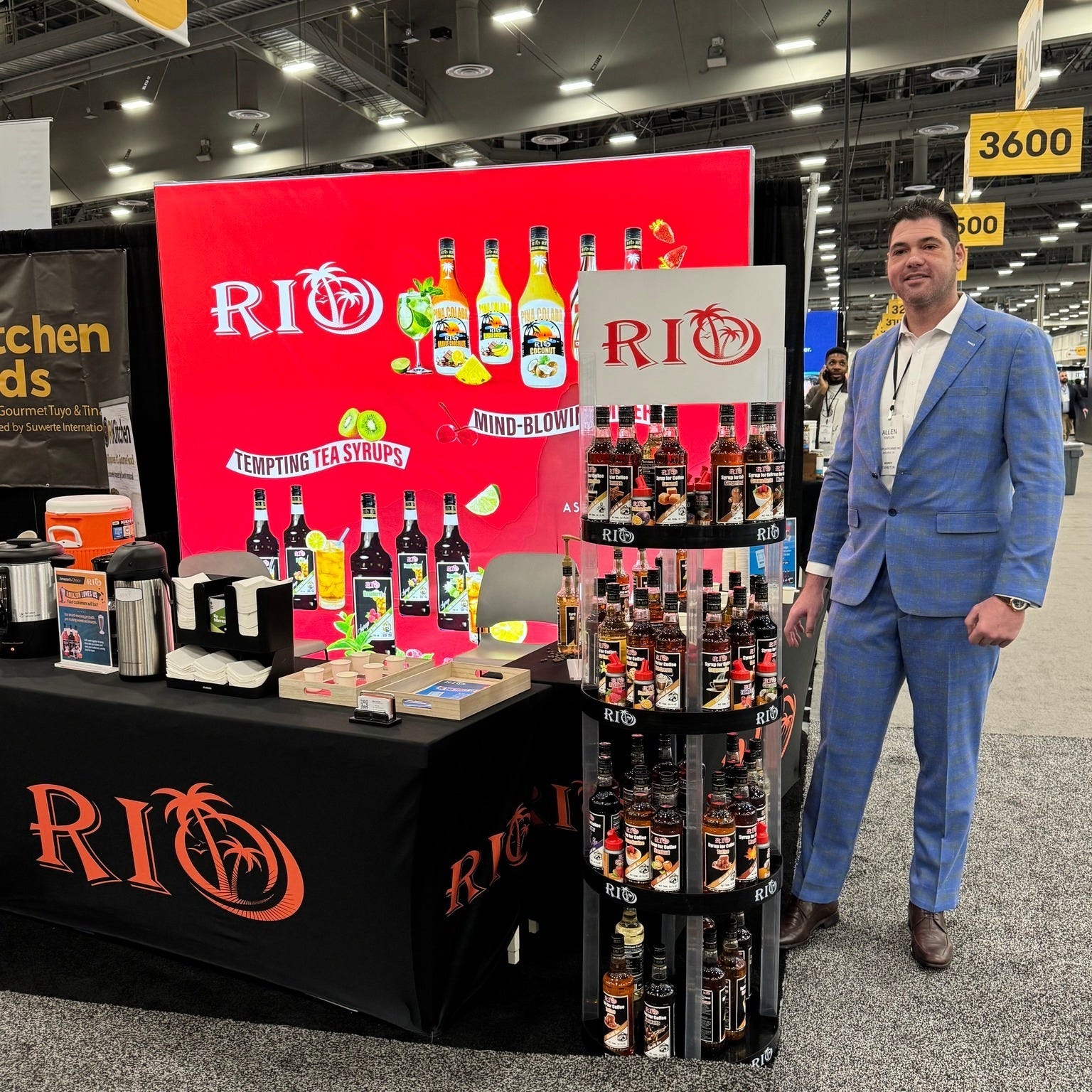
Allen doesn’t rely on email blasts or cold outreach. Instead, he attends international trade shows where these brands are already exhibiting. That’s where meaningful conversations happen.
Most of the brands he approaches are already doing well in their home markets. What holds them back from entering the U.S. is the complexity—FDA compliance, logistics, labeling, and understanding the U.S. consumer. Allen walks them through exactly how GDS can handle all of that for them.
GDS offers exclusive distribution contracts where GDS takes on the inventory risk, handles warehousing and marketing, and acts as the brand’s boots-on-the-ground presence in the U.S. For them, it’s an attractive proposition: no upfront infrastructure investment, just a capable partner solving their biggest barrier to entry.
Q: What does your industry look like without including your firm? In other words, what does your industry look like if you weren’t in it?
Most international brands considering U.S. expansion face three options:
They stay out entirely due to the regulatory and operational complexity.
They work with a broker or deep discounter, which leads to pricing pressure, brand erosion, and zero long-term strategy. Every container is negotiated lower and lower until margins disappear. Worse, these brands usually have to front FDA compliance costs and assume the risk themselves—often relying on overpriced, fear-based consultants.
They build their own U.S. infrastructure, which is rare, expensive, and time-consuming. A few companies, especially from China, go this route, but it’s not common.
What’s missing is a strategic partner—one who solves for compliance, marketing, fulfillment, and retail placement in a cohesive way. That’s the gap GDS fills.
Q: How do you, as an entrepreneur and business leader, think about growth?
Growth starts with generating demand and then finding the best market fit. You don’t assume the market is there—you build it, test it, and adapt accordingly.
Once demand is validated, Allen invests heavily in marketing—online and offline. He goes beyond just digital ads or influencer posts. They do trade shows. They pitch buyers in person. They run geo-targeted campaigns to support placements and drive turnout.
As revenue comes in, Allen reinvests aggressively, expanding the marketing budget and doubling down on what’s working. If a product doesn’t fit Meta ads, maybe it’s better suited for food service, independent retailers, or traditional methods. Growth is not one-size-fits-all—it’s about finding the right channel for the right product and scaling it responsibly.
Q: What lessons have you learned from starting your own business?
The biggest lesson is that your plan has to be flexible. You may pivot more than once to find the best market fit, and that’s not a failure—it’s part of the process.
Allen explains:
“I’ve also learned to take barriers to entry seriously. When I focused on grocery, we faced challenges like razor-thin margins, expiration dates, and shipping fragile or meltable items like glass or chocolate. Those were real operational problems—but by solving them, we created defensible advantages and kept competitors out.
Now, as I scale international brands into the U.S., I’m offering solutions to their biggest barriers: compliance, 3PL, and U.S.-specific marketing. And just as important, we stay flexible in how we bring products to market. If Meta ads aren’t the best fit, maybe it’s food service or regional retail. The point is: solving for fit is more practical and more reliable than chasing perfect ideas.”
My Takeaways
First of all, it was fantastic to learn from Allen and hear more about his story. It was interesting to hear about his career trajectory and his strategies for building and growing his enterprise.
I want to thank Allen again for the fantastic opportunity to benefit from his insights!
Additional Thanks: I also want to thank Jim Banks from Digital Marketing Stories for his excellent interview with Allen, which provided some depth on Allen’s background and his perspective on marketing the brands he works closely with.
A Quick Aside on My Rationale With This Approach:
My goal in reaching out to Allen and people like him is to highlight that all businesses face strategic challenges at each step of the growth journey. In school, you traditionally only learn about the “best of the best”, those Fortune 500 companies that have hundreds of case studies written about them.
Yet, there’s value in the unique insights from small business owners who are on the ground, constantly navigating critical decisions every minute.
How much do I price my product? Who should I hire? How should I expand my business? What do I do if my sales are down? — All the questions that small business owners face constantly.
Now, on to the critical lessons I want to highlight from my exchange with Allen.
Lesson #1: The Importance of Flexibility and Adaptability
During the pandemic, most e-commerce brands experienced greater-than-average growth as most consumers were stuck inside, but still needed most of the goods and services they were already purchasing.
The demand remained relatively constant, but the supply of goods and services dwindled as traditional channels (in-person shopping, dining, etc.) were reduced or shut down. This left a gap in the market for the supply of these goods to consumers. As many consumers were already used to occasionally purchasing goods online, it was easy for them to shift the bulk of their demand to this channel, taking advantage of the flexibility it provided.
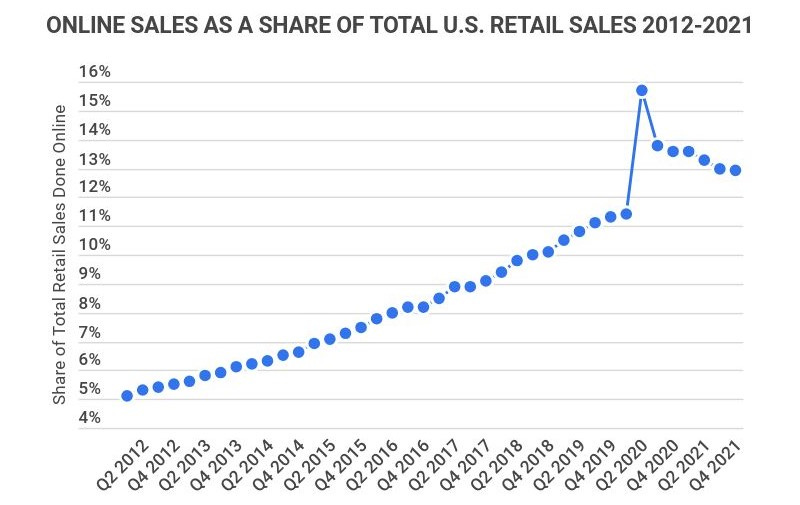
Credit Zippia
As you would imagine, Allen and his business did not predict the pandemic; however, they were flexible and adapted to the increased demand, opening new warehouses and logistics routes, providing additional services to brands and consumers looking to purchase and provide products.
Without this flexibility, they probably could have profited from these trends much later, but they would not have been as positively impacted as they were.
This serves as a reminder that market dynamics can shift unexpectedly, requiring businesses to be agile and responsive to changes in supply and demand.
Lesson #2: A Career Pivot Can Be The Solution
Allen’s journey powerfully illustrates how a career pivot can be the ideal solution when your initial path proves unfulfilling and a new opportunity emerges.
His transition from the demanding world of litigation to the dynamic, uncertain realm of e-commerce wasn’t a snap decision, but rather a strategic response over a longer period of time.
He recognized the potential of online businesses in the early 2000s, choosing to proactively explore a new alternative, starting his e-commerce venture as a low-risk side hustle. This initial step laid the foundation for a significant and ultimately successful career pivot.
Side note: Allen’s example of starting his e-commerce business as a side hustle could be considered a real-world example of a real option.
Ultimately, Allen’s story is a compelling case study for why a career pivot can be the right solution to the situation you are facing. It wasn’t totally about escaping a bad situation, although that did support the transition. It was about recognizing a new opportunity, leveraging existing skills, and embracing a path that offered greater engagement and potential.
A significant career pivot takes courage and a large amount of confidence to bet on yourself, something that Allen was familiar with as he was already running and owning a stand-alone law practice.
Lesson #3: Recognize Key Opportunities As They Pass You
Relating to the above, the key to Allen’s successful pivot was his ability to identify and capitalize on a market need that aligned with his growing interest and skill set.
While practicing law, he observed a significant disparity between businesses with and without an online presence. This wasn’t just a passive observation; it sparked an idea and motivated him to experiment.
His side hustle wasn’t a complete departure from his professional life initially, operating within the infrastructure of his law firm’s back office. In a sense, he was testing the opportunity to see if it would hold up as he expanded his business’s capabilities. This allowed him to gradually build momentum without immediately abandoning his established career.
Throughout your life, you’ll come in contact with ideas, people, and opportunities that have the potential to radically change your life (for the positive and negative). Most of the time, we aren’t looking for them, so when we interact with these opportunities, we miss them as they pass by us.
The key to Allen’s story and other stories like this is the awareness of the opportunities out there. Allen recognized the opportunity when he interacted with it, choosing to pursue it.
If we don’t recognize these opportunities, we’ll never be able to choose whether or not to pursue them.
_______
I just want to say another thanks to Allen; it was great being able to learn all of these things from his experience, and it is even better that I can share them with you.
I hope you read something valuable in the above discussion and takeaways that will influence how you approach business or even your life in general.
That’s all for today. I’ll be back in your inbox on Saturday with The Saturday Morning Newsletter.
Thanks for reading,
Drew Jackson
Stay Connected
Website: brainwaves.me
Twitter: @brainwavesdotme
Email: brainwaves.me@gmail.com
Thank you for reading the Brainwaves newsletter. Please ask your friends, colleagues, and family members to sign up.
Brainwaves is a passion project educating everyone on critical topics that influence our future, key insights into the world today, and a glimpse into the past from a forward-looking lens.
To view previous editions of Brainwaves, go here.
Want to sponsor a post or advertise with us? Reach out to us via email.
Disclaimer: The views expressed here are my personal opinions and do not represent any current or former employers. This content is for informational and educational purposes only, not financial advice. Investments carry risks—please conduct thorough research and consult financial professionals before making investment decisions. Any sponsorships or endorsements are clearly disclosed and do not influence editorial content.