


Today’s newsletter is a guest post brought to you by Danny Nathan, founder of Apollo 21 and the creator of Innovate, Disrupt, or Die
This week, we’re featuring a guest post by Danny Nathan, founder of Apollo 21 and the creator behind the Innovate, Disrupt, or Die newsletter and podcast. In this edition, Danny takes us on a deep-dive through an emerging trend focused on authorship > ownership as the next bastion of luxury. No longer is it good enough to have something few others can buy. Today, the only exclusivity is “one of one.”
We’ll look at how authorship is changing purchasing habits for the UHNW of the world, and what innovators and venture builders can learn from this model to deliver a similar sensibility to the 99%. How can you leverage technology, AI, and carefully designed architecture to create customer experiences that generate a sense of ownership that runs deeper than a receipt.
Let’s dive in.
Authorship > Ownership: How One-of-One Is Becoming the New Competitive Advantage
Authorship as Strategy
A new trend is taking hold in the uppermost tier of the luxury market: one-of-one, co-created offerings that place the customer at the center of the design and production process. This shift is clearest in moves like Bugatti’s Solitaire program, where the traditional model of “limited edition” hypercars gives way to a new category entirely. There is no base car. No option list. Just a design conversation that begins with a blank sheet and ends with a creation made specifically for one person, and only that person.
As one market analyst put it:
“There’s more demand for one $5 million car than ten $500,000 cars.”
From Configured to Created
We’ve seen “customization” trickle into the mainstream for years. Nike ID for sneakers, custom colorways on Apple Watches, monogramming for everything from bags to bathrobes. But these experiences are constrained. You’re picking from a menu designed by someone else. Your choices say, “I picked this,” not “I made this.”
At the extreme end of the luxury market, this shift is already well underway. Bugatti’s Solitaire program is one expression of it. But this isn’t just happening in the automotive space. The same instinct is surfacing across industries. Customers (particularly those with means) want more than choice. They want to shape what they buy.
Travel companies like Black Tomato offer trips (beginning at 5-figures, airfare excluded) where you don’t just pick the destination, you help invent the experience. A recent offering embedded travelers with Maasai elders and ended with a leather-bound book documenting the experience, printed once.
Savile Row tailors and ultra-luxury eyewear makers like Maison Bonnet work entirely without templates. The product doesn’t exist until you walk in.
And, of course, for years the Hermès Birkin bag has represented the pinnacle of exclusivity. The highest-tier clients may be invited to go beyond the store shelf, collaborating with Hermès artisans to create one-of-a-kind variations (custom leathers, exotic skins, hardware, and stitching) resulting in a bag that isn’t just rare, but unreproducible. These aren’t listed online or available by request. They emerge from personal relationships and deep trust, turning the customer into a co-creator of the most iconic fashion artifact of the last half-century.
Across these examples, the customer’s role has shifted from buyer to builder. And that shift is becoming the business model.

Case Study
The Business of One-of-One: Singer and Automotive Authorship

Singer Vehicle Design is a masterclass in customer authorship as a business model. Founded in 2009, the company reimagines classic Porsche 911s from the late 1980s and early 1990s, not as restorations, but as entirely bespoke commissions. Clients begin the process with an existing 911 chassis, which Singer transforms through a deep collaborative process into a car that reflects the owner’s personal vision.
No two Singer commissions are the same. Clients work with Singer’s team to select custom interior materials, body configurations, suspension tuning, and aesthetic details that range from the subtle to the obsessive. Singer doesn’t just build dream cars. It helps customers define what that dream even looks like. The result is a vehicle that blends timeless design with modern engineering, and most importantly, a strong sense of authorship.
Singer’s model is built around scarcity and intimacy. The company produces only a limited number of cars each year, but each one commands a hefty price tag (ranging from a few hundred thousand dollars up to an eye-watering multi-million-dollar masterpiece). That revenue isn’t tied to production volume, it’s tied to how deeply embedded the customer becomes in the creative process.
The emotional investment is the product.
More than a boutique car builder, Singer represents a shift in how value is created in ultra-luxury markets. The car is a byproduct. The relationship, collaboration, and mutual craftsmanship between builder and client is what drives the business. It’s a compelling template for ventures exploring how to monetize personalization at the highest level.
What’s New Isn’t Customization. It’s the Model.
At a glance, this might feel like a return to pre-industrial norms. A time when the wealthy commissioned their goods directly from artisans. But that framing risks missing what’s actually happening here. This is not a regression. It’s a business model innovation made possible by today’s digital tools, CRM sophistication, evolved customer expectations, and, increasingly, by advancements in on-demand and modular manufacturing that make extreme personalization operationally feasible at scale.
In the past, bespoke was the only option because mass production didn’t exist. Today, bespoke is a strategic choice, a high-margin, low-volume alternative to scaled growth. The difference now is intent.
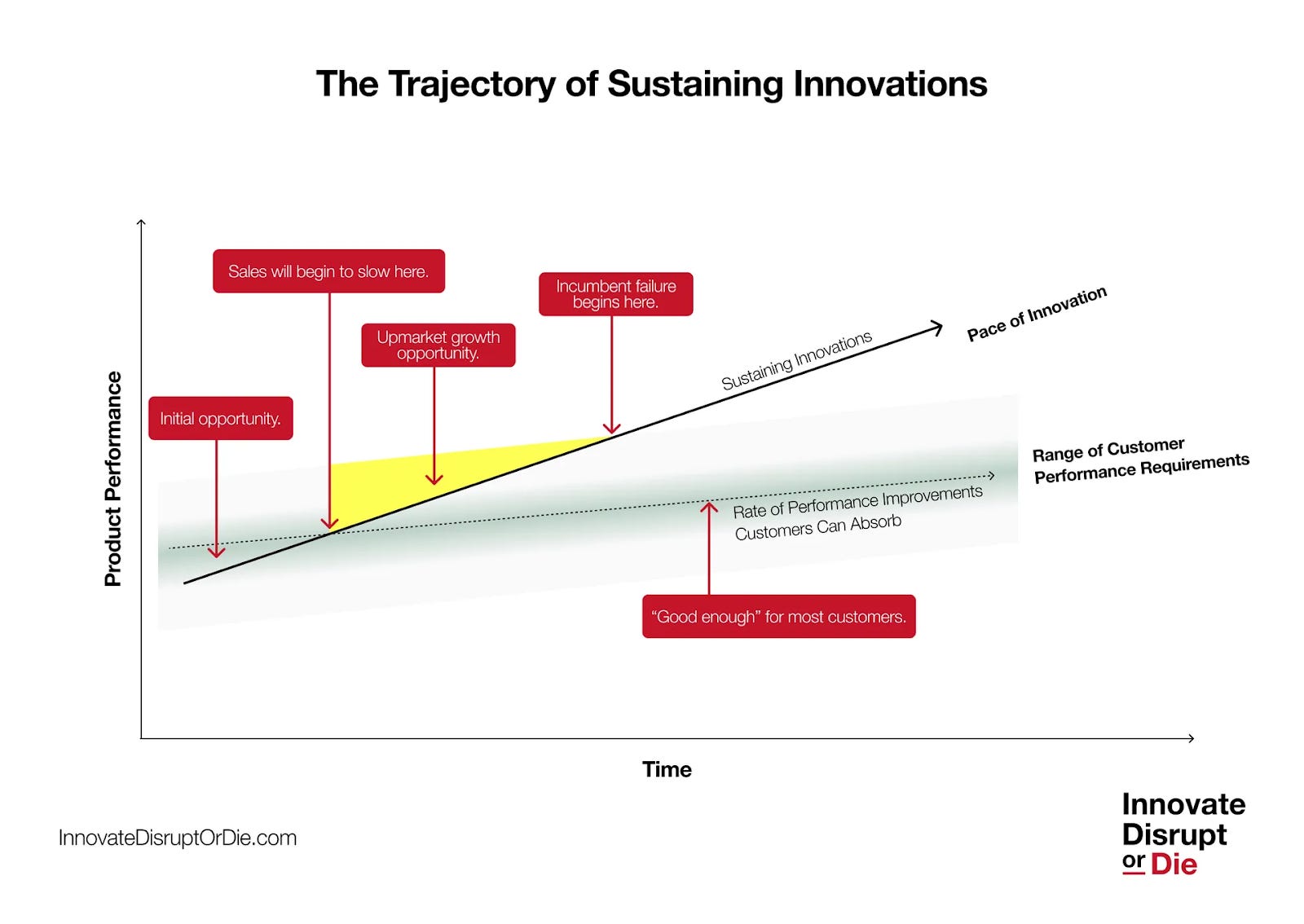
Venture builders and innovation leaders should be paying attention. Because Solitaire and its analogs don’t just represent product innovation, they demonstrate a scalable shift in how value is created and captured at the very top of the market. (And innovation theory suggests that successful orgs will always shift their attention upmarket toward higher margins. More on that here.)
The Business of Unrepeatability
This movement is best understood as a shift from scarcity to unrepeatability. Luxury used to be defined by how few people could access it. Now, it’s defined by whether anyone else could get the same thing.
Limited editions once created status by excluding others. Now, the most elite customers want products that feel like they were never for sale in the first place. In this model, a luxury brand’s most powerful product isn’t the object. It’s authorship: the customer’s ability to shape what the brand makes.
For venture builders, this opens up a new frontier: high-margin, low-scale business models that reward collaboration over distribution. The value isn’t in making a better version of something that already exists. It’s in creating something that only exists because the customer helped bring it to life.
Case Study:
What Happens When Everything Starts to Look the Same
Based on the paper by Franziska Krause et al, 2023
The rise of data-driven design has led to a peculiar consequence: a world where everything looks the same. In The Tyranny of the Default, Franziska Krause et al explores how efficiency, standardization, and algorithms have created a homogenized design landscape. The paper argues that we’re entering an era where the aesthetics, functions, and formats of everyday products are dictated less by imagination and more by optimization. As a result, mass production has lost its sense of soul.
From smartphones and websites to appliances and furniture, visual sameness has become the norm. Rounded corners, neutral palettes, modular layouts—these patterns dominate not because they are inherently better, but because they are safe. They are what worked yesterday, so companies repeat them today. Product design becomes reactive, not visionary. Worse, customization has devolved into shallow tweaks: picking a color, selecting a font, maybe adding a monogram. It’s the illusion of individuality without the substance of authorship.
Krause points out that this sameness isn’t just aesthetic; it’s emotional. Consumers are no longer building relationships with the things they buy. Instead, they are surrounded by objects that are interchangeable, disposable, and stripped of context. What’s lost is the feeling of connection, of participation, of identity. It’s not just that the things we buy are generic. It’s that we’ve been removed from the process of shaping them.
For innovators, this paper is both a warning and an invitation. The default is no longer a neutral starting point. It is a force of flattening. As demand grows for more personal, one-of-one experiences, the opportunity lies in building systems that restore the customer’s creative role. Not personalization through simple parameters, but authorship built into the structure of the product itself.
From Brand as Authority to Brand as Editor
In the co-creation model, the brand stops being the arbiter of taste and starts being the editor. They provide the talent, the infrastructure, the aesthetic guardrails, but the vision comes from the client. That doesn’t weaken the brand. It deepens it. Customers don’t just align with your identity, they write part of it.
This is a profound shift from how most companies innovate. Traditionally, companies build products, then find customers. The authorship model flips that. It finds a customer, then builds the product. It’s closer to venture studio logic than traditional manufacturing.
The brands that win here won’t just be masters of craft. They’ll be the ones who figure out how to make co-creation operationally elegant, emotionally resonant, and economically viable.
Authorship Is the Strategic Edge
The core insight from ultra-luxury isn’t that rich people want unique stuff. It’s that the most valuable experience you can offer is the feeling that something was made only for you. This is the frontier. Not mass customization, but mass authorship. Here’s what makes this approach innovative:
Monetizes intimacy: The deeper the relationship with the client, the more defensible and differentiated the offer becomes.
Shifts revenue from object to experience: The sale isn’t just the car or the suit. It’s the months-long creative process that leads to it.
Reduces dependency on volume: One client, one sale, millions in margin. When executed well, it’s anti-fragile to market saturation.
Creates an asset that can’t be commoditized: If your customer helped build it, it’s no longer just a product. It’s a personal artifact, uniquely tied to them.
The challenge and opportunity for founders is to translate that feeling at scale. Not to millions of identical units, but to thousands of unique ones. We’re talking businesses that trade mass production for meaningful production and that scale intimacy not inventory. Founders who understand this can build products that feel intimate, alive, and non-interchangeable, without needing a bespoke factory behind them.
Infrastructure Enabling Imprint
Infrastructure enabling imprint means moving beyond personalization-as-parameter to authorship-as-architecture. These are systems where user input doesn’t just influence the surface, but defines the structure. These systems turn choice into creation. They respond to context. They let the customer shape what the product becomes.
That can happen through technology, or through tight operational design. A few ways infrastructure is already enabling imprint:
Customer data systems that adapt over time. When a returning customer engages, they’re not starting over. Their past decisions, functional needs, aesthetic preferences, even physical constraints, shape how new products are surfaced, configured, and constructed.
3D printing and modular manufacturing. Instead of batching the same product thousands of times, you print or assemble based on each individual’s inputs, without incurring the cost of full-scale retooling. Same system, different outcome, every time.
Digital-to-physical toolkits. A product experience that starts online: designing a shelving unit, a sneaker, a bicycle, and ends with a unique physical item that couldn’t have existed without the user’s configuration.
Composable product architecture. The base product is a skeleton. Everything else is snapped on, built up, or reconfigured based on the user’s life. It’s not just adjustable. It’s authored.
In each case, the system flexes around the customer. The output is physical. The logic behind it is personal. And the business model is scalable.
How to Get There: From Templates to Toolkits
To get there, you have to design differently. Templates are efficient, but they’re rigid. Toolkits are flexible. They let people build. Some of that happens in software:
Notion gives users blocks, not pages.
Zapier gives users connections, not workflows.
Obsidian gives users maps, not folders.
The same logic applies to physical goods:
Den Outdoors offers home plans as toolkits, not blueprints. Buyers personalize layouts, finishes, and even structural additions to create a home that reflects their vision.
Trek Project One turns bike assembly into collaboration. Riders co-design performance machines tailored to their body, style, and terrain.
Tonal adapts to its user. Its hardware and training system evolve based on individual strength, goals, and behavior, making the product feel authored, not just used.
The brands that win won’t just personalize outputs. They’ll enable creation. They’ll trade static UX for composable systems. They’ll invite users into the build process, not as a gimmick, but as the core experience.
Case Study
How Build-a-Bear Scaled for a Mass Market of One
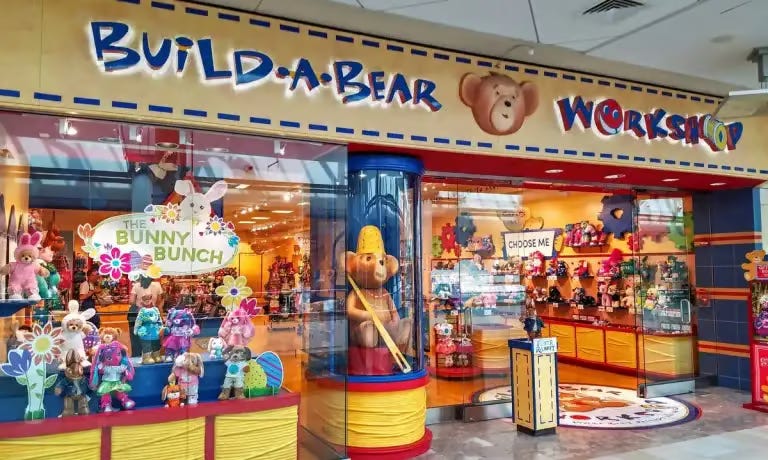
Build-A-Bear Workshop may not operate in the luxury space, but it delivers a strikingly similar value proposition to Bugatti or Singer: authorship.
Since launching in 1997, Build-A-Bear has transformed the commoditized world of plush toys into a deeply personal, participatory retail experience. Each customer doesn’t just buy a stuffed animal. They choose it, stuff it, sew it, dress it, name it, and even give it a recorded voice. The result is a one-of-one product that holds emotional value far beyond its materials.
What’s remarkable isn’t the customization itself. It’s how Build-A-Bear designed a scalable system for individuality. The process is structured and repeatable, but the outcome always feels unique. Children (and increasingly, adults) walk away not with a toy, but with a creation of their own. In that moment, the brand transfers ownership of not just the product, but of the experience, to the customer.
This model captures what ultra-luxury brands are now chasing: the shift from configured to created. But where brands like Bugatti or Hermès offer authorship to the few, Build-A-Bear shows how it can be successfully scaled. Authorship needn’t come from infinite permutations. Intentional choices, guided creation, and a system designed to celebrate the customer’s hand in the outcome can establish the same sense of pride.
As personalization becomes a driver of emotional resonance and economic value, Build-A-Bear’s decades-long playbook offers insight for founders and venture builders. The lesson isn’t “let people choose options.” It’s “let people make it theirs.” Even in a mall kiosk or pop-up store, authorship can be the difference between a transaction and a memory.
Practical Moves For Operators
Build flexible frameworks, not fixed products. Think of your product like a sandbox, not a sculpture. Give users visible authorship. Let them create something that reflects their identity. Make uniqueness the norm. Use onboarding, context, or behavioral inputs to make sure what people see, use, or experience is never exactly the same.
People want products that carry their DNA.
AI’s Role Isn’t to Personalize. It’s to Scaffold Authorship.
AI isn’t valuable because it makes products smart. It’s valuable because it makes systems responsive to individual context, behavior, and input. And that responsiveness is what allows authorship to scale.
Used right, AI doesn’t generate content or accelerate decisions. It builds the conditions for creation.
In home design, AI can translate layout constraints, lifestyle needs, and aesthetic preferences into modular plan variations. Not to sell a prefab, but to help the customer co-author their own space.
In consumer goods, machine learning can optimize manufacturing processes to accommodate near-infinite variation. Adjusting product attributes like shape, material, or assembly order on demand, based on real-time input from customers.
In commerce and retail, intelligent systems can act as continuity engines. They carry forward previous decisions across categories and time so the fifth product you buy feels like part of the same personal ecosystem as the first.
In any co-creative process, AI becomes the silent infrastructure. It tracks what’s been said, what’s been chosen, what’s been built so the human side of the interaction can focus on inspiration, not repetition.
This isn’t mass customization. It’s mass authorship: systems built to flex, remember, and evolve around the customer. The product is the customer’s because the process is aware of who they are and what they want.
The Economic Divide Is an Experiential Divide
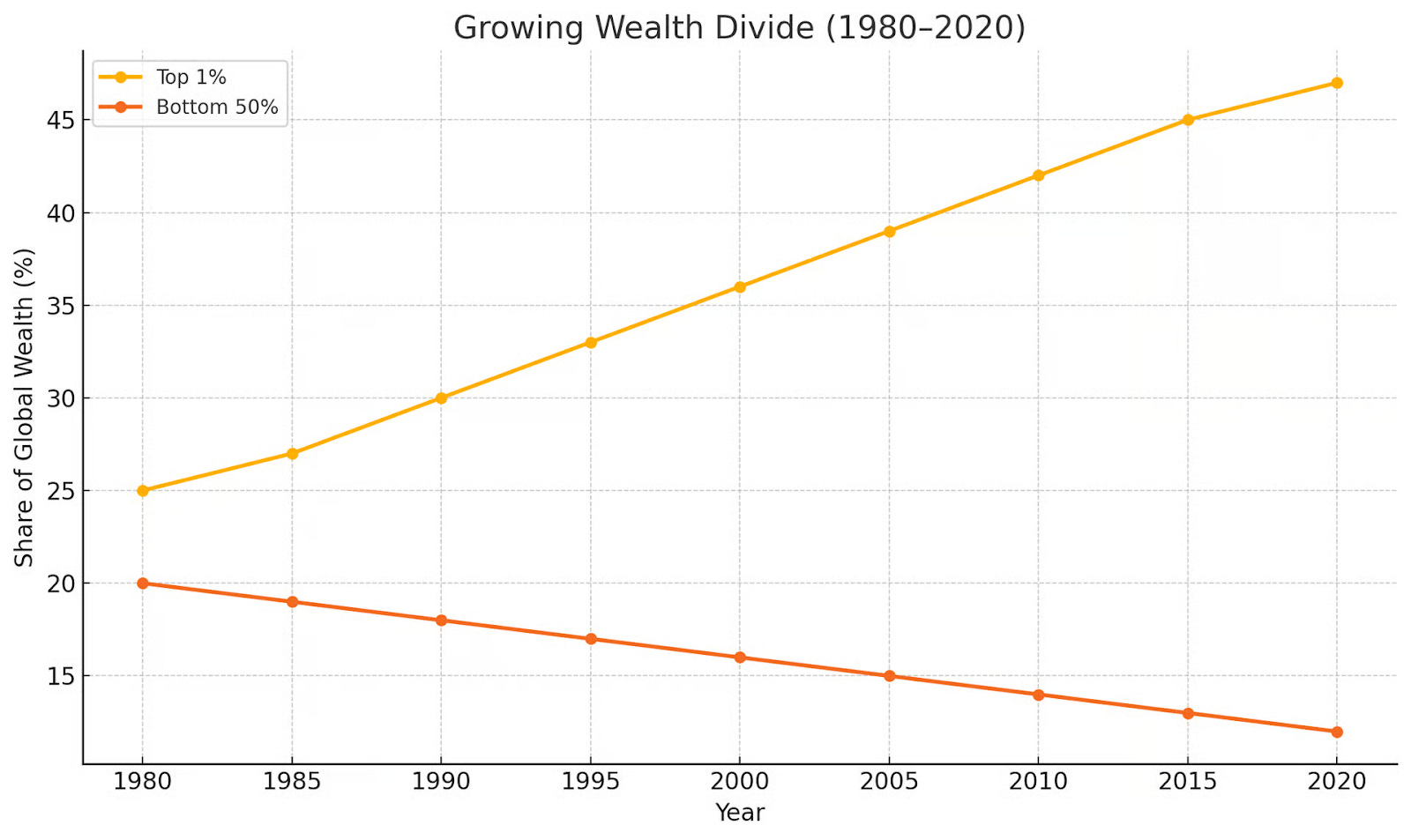
This trend isn’t unfolding in a vacuum. It’s happening against a backdrop of growing wealth inequality. As the ultra-wealthy pull further ahead, not just in income but in access, their experience of being a customer is also diverging. One-of-one products. Creative control. Personal collaborators. These aren’t just luxuries. They’re signals that the customer role itself is evolving.
For everyone else, the same tools are being used in reverse. Algorithmic curation replaces conversation. CRM becomes a funnel, not a relationship. Mass personalization flattens experience rather than deepening it. The result: for the few, authorship; for the many, automation.
That divergence creates opportunity. Builders can choose to lean into it. Design for the depth of the few. Or close the gap by building systems that bring authorship to more people, not just the elite.
Final Thought: Scale the Imprint, Not the Output
The real opportunity isn’t in mass production. It’s in mass intimacy.
The ability to let each customer walk away with something that couldn’t have existed without them. Not because they clicked the right dropdowns. But because the system was built to listen. To adapt. To remember. To co-create.
This is the challenge for every innovator. How do you design ventures where the most scalable asset is the customer’s own imprint?
That’s the edge. That’s the moat. That’s the brief.
Share This Analysis
Keep Exploring
Next Deep Dive: Life’s Biggest Questions - November 12th
This Saturday: Weekly roundup of breaking developments across energy, space, venture capital, economics, intellectual property, and philosophy
Previous Editions: View the archive here
Stay Connected
New to Brainwaves? Join hundreds of readers getting bi-weekly deep dives into the forces reshaping our world.
Sponsor This Newsletter: Reach an engaged audience of forward-thinking readers. Email us for details.
Disclaimer: Views expressed are personal opinions, not financial advice. This content is educational only. Investment decisions carry risks - always consult professionals and do your own research. All sponsorships are clearly disclosed.
© 2025 Brainwaves. All rights reserved.